


By the time a flock reaches the processing plant, many of the factors that will affect yield, quality, labor planning, and production flow have already been set in motion.
Birds do not arrive as averages on a spreadsheet. They arrive with the results of everything that happened upstream: flock health, feed and water intake, environmental conditions, mortality, weight variability, grow-out performance, and timing decisions made days or weeks earlier.
When that information is disconnected from processing, plant teams are left reacting to variability they did not create and could not see coming.
That is why processing performance does not begin at processing.
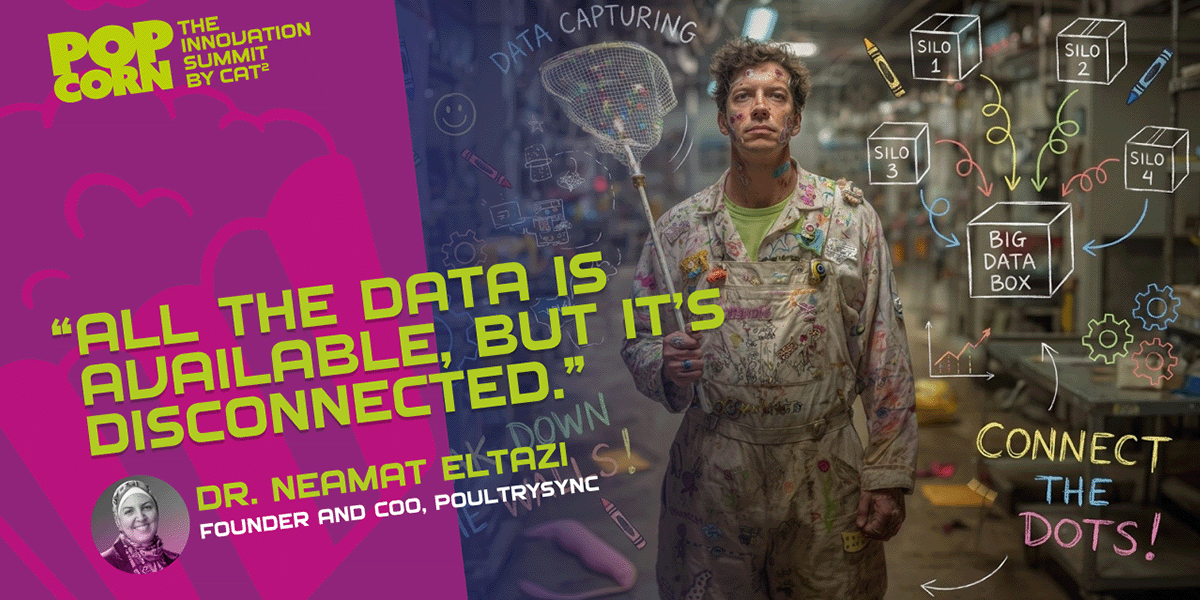
In Episode III of POPCORN: The Innovation Podcast powered by CAT Squared, Dr. Neamat ElTazi, Co-Founder and COO of PoultrySync, joins Meaghan Ziemba of Mavens of Manufacturing to discuss why live-side visibility is essential to the future of connected poultry production.

Kathy Barbeire
Recent posts by Kathy Barbeire
4 min read
Why Live-Side Visibility Matters for Connected Poultry Operations
8 min read
How Food Manufacturers Move from Complexity to Clarity
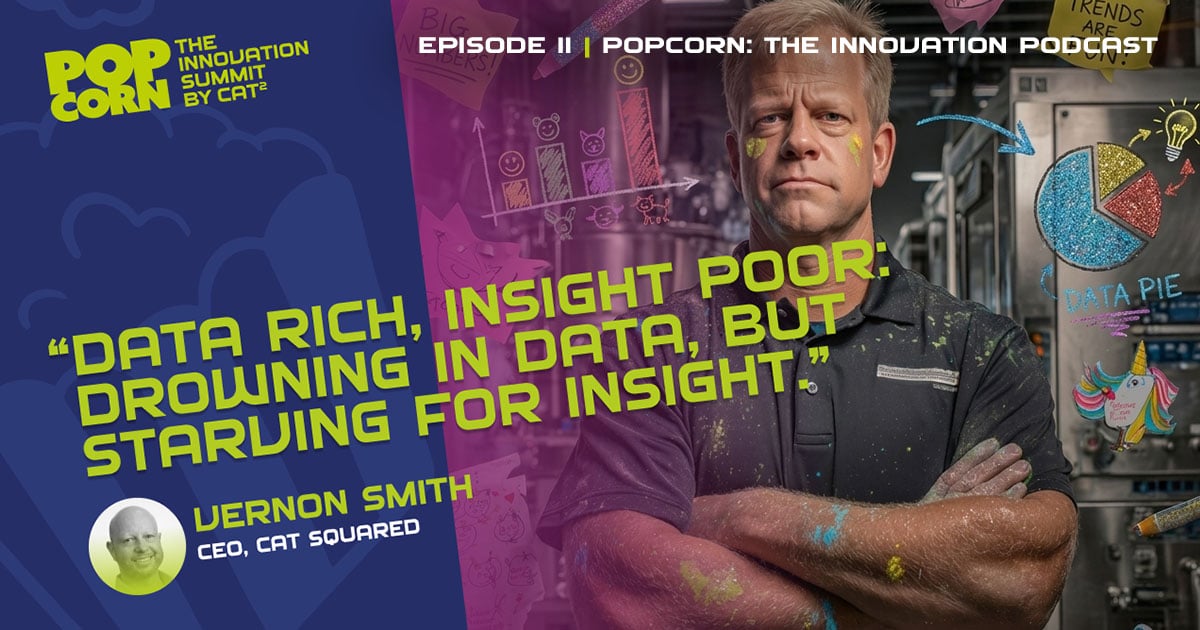
Food manufacturing operations are filled with systems intended to create visibility. MES platforms, ERP systems, quality tools, smart scales, sensors, vision systems, spreadsheets, and production reports all play a role in helping teams understand what is happening across the plant. Yet many processors still find themselves exporting numbers, stitching files together, and chasing answers after a shift has already gone off plan.
6 min read
From User Summit to POPCORN: Why CAT Squared Is Expanding the Conversation

For years, CAT Squared’s User Summit gave customers a place to learn, connect, and better understand how our solutions could support their operations. It was practical, customer-focused, and rooted in the real work happening inside food manufacturing plants.
6 min read
ERP vs. MES: Understanding Their Roles in a Food Manufacturing Plant
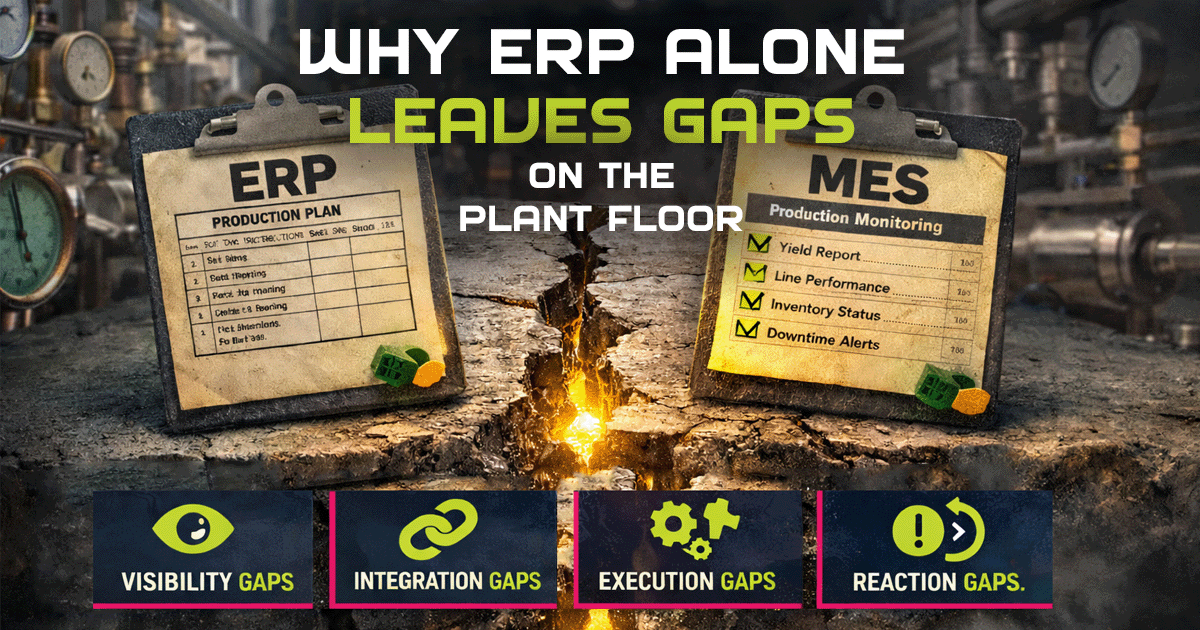
Many food manufacturers assume their ERP already handles plant-floor operations.
That assumption is understandable. ERP systems are essential to the business, and they often include production-related functions. But food manufacturing plants quickly discover that recording production activity is not the same as managing production in real-time.
When supervisors need immediate visibility into yield, traceability, labor, inventory movement, or process exceptions, ERP alone often falls short. That is where MES comes in.
ERP and MES serve different roles. One manages the business. The other helps manage execution on the plant floor.
6 min read
Think Differently about Quality in Food Manufacturing
This World Quality Week 2025, we’re embracing the theme “Quality: Think Differently.” In food manufacturing, that means reimagining quality not as a reactive function managed by QA, but as a living culture owned by everyone—from operators to executives.
1 min read
SAVE THE DATE: CAT² POPCORN Innovation Summit 2026
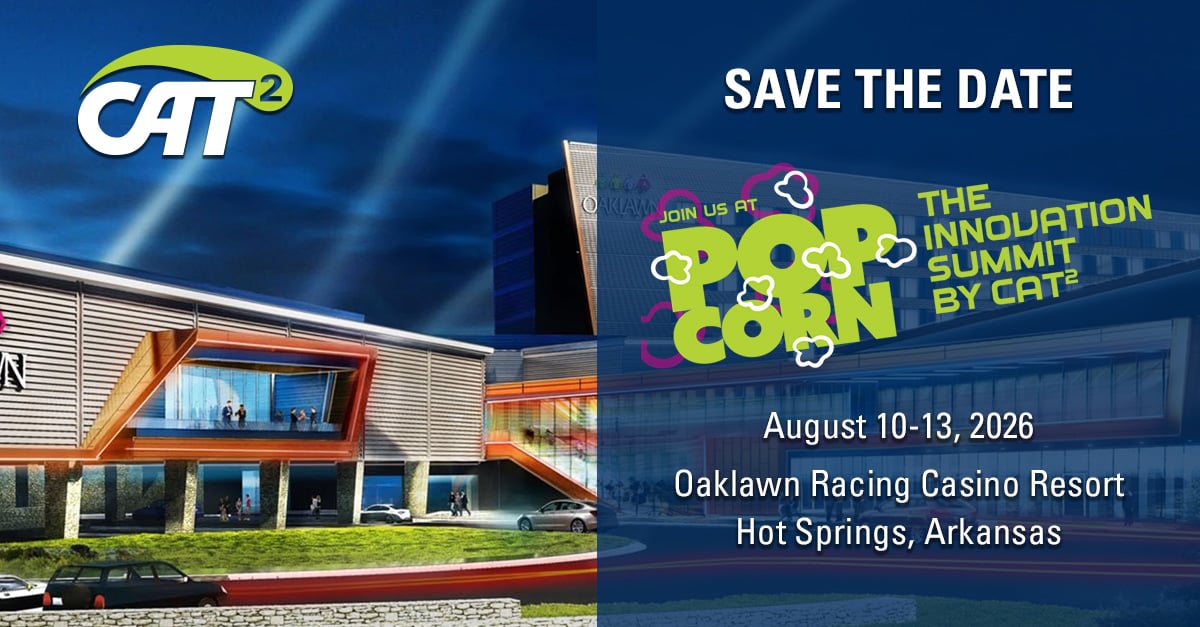
We’re excited to invite you to the CAT Squared User Summit 2026, hosted at the beautiful Oaklawn Racing Casino Resort in Hot Springs, Arkansas.
2 min read
CMI Leverages CYNERGY MES for Smart Poultry Processing and Yield Optimization

CAT Squared is now the MES of choice for three of the top five poultry companies in LATAM — Cargill, Bachoco, and CMI — with 32 plants across the region running our system.
7 min read
Beyond ERP - Part 3: MES + ERP = Real ROI in Food Manufacturing
Previously in our Beyond ERP series, we saw how an MES complements an ERP by managing plant-floor operations in detail. But what does this mean for your bottom line and overall performance? In this final part of our series, we focus on the business benefits of combining ERP with a Manufacturing Execution System – specifically, how this “execution layer” drives end-to-end traceability, enables ongoing continuous improvement, and ultimately delivers a compelling Return on Investment (ROI). We’ll also share real-world examples demonstrating the value of MES software for food manufacturing.
Topics: MES vs ERP erp integration in food manufacturing erp limitations food manufacturing mes
4 min read
Beyond ERP — Part 2: Bridging the Execution Gap in Food Manufacturing
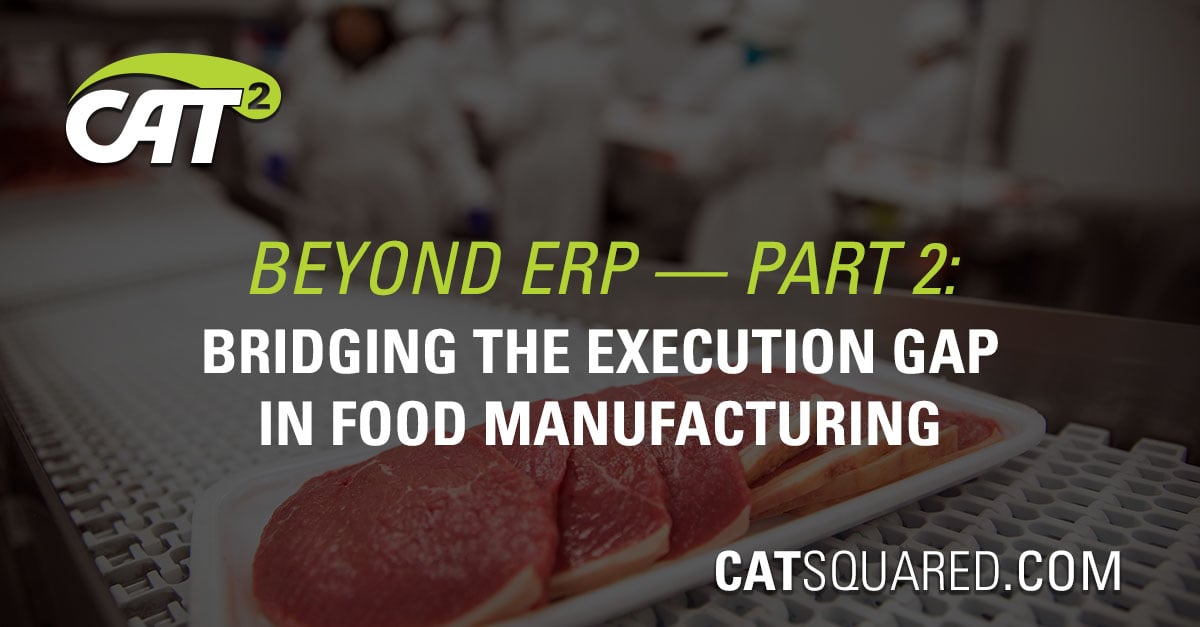
In Part 1 of our Beyond ERP series, we explored why traditional ERP platforms struggle with the realities of food manufacturing. Now, let’s focus on the solution: a Manufacturing Execution System (MES).
A food-industry MES is purpose-built to manage and record what happens on the factory floor in real time. It doesn’t replace your ERP — it enhances it. With an MES, meat and poultry processors gain control over disassembly, yield tracking, traceability, and execution.
Topics: MES vs ERP erp integration in food manufacturing erp limitations food manufacturing mes
3 min read
Beyond ERP — PART 1: Managing Plant-Floor Operations in Food Manufacturing
Enterprise Resource Planning (ERP) systems are essential for food manufacturers, providing centralized control over finance, procurement, and inventory management. But when it comes to plant-floor execution, especially in meat and poultry operations, ERP alone often isn’t enough.
In this first post of our Beyond ERP blog series, we break down the limits of ERP in food manufacturing and introduce the processes where an MES (Manufacturing Execution System) outperforms ERP—particularly in disassembly, reassembly, mixing, traceability, and yield tracking.
